
Operating Instructions For Various Products Category
1. GREENS® BONE PLATE
Description :
The bone plates are the devices, used to fasten the bones for the purpose of fixation of fractures, osteotomies, malunion, arthrodesis, replacement, reconstruction, correction, stabilization of various bones. Factors such as the location of the injury, the type of injury and the type of bone, on the basis of these medical conditions, type of the bone plates used to anchor the bones, are determined. They may be used temporarily and then removed or left in place indefinitely. The bone plates can be distinguished in terms of their function, i.e. the plate on which this is to be fixed.
Material of construction :
Greens® Bone Plates are can be made in the following material grades Stainless steel: 316L, 316LVM ALLOY (ISO 5832-1:2016), Titanium TIAl6V4(ISO 5832-2:2018), Titanium ALLOYS (ISO 5832-3:2016)
Indication for use :
Greens® Bone plates are intended for fixation of fractures, osteotomies, malunion, arthrodesis, replacement, reconstruction, correction, stabilization of various bones [clavicle, pelvis, scapula, long bone (humerus, ulna, radius, femur, tibia and fibula), and small bone (metacarpals, metatarsals, phalanges] in general. Green’s Bone Plates are provided in both Sterile and Non-sterile packaging.
Contraindications :
The physician’s education, training and professional judgment must be relied upon to choose the most appropriate device and treatment. Conditions presenting an increased risk of failure include :
- Any active or suspected latent infection or marked local inflammation in or about the affected area.
- Compromised vascularity that would inhibit adequate blood supply to the fracture or the operative site.
- Bone stock compromised by disease, infection or prior implantation that cannot provide adequate support and/or fixation of the devices.
- Material sensitivity, documented or suspected.
- Obesity. An overweight or obese patient can produce loads on the implant that can lead to failure of the fixation of the device or to failure of the device itself.
- Patients having inadequate tissue coverage over the operative site.
- Implant utilization that would interfere with anatomical structures or physiological performance.
- Any mental or neuromuscular disorder which would create an unacceptable risk of fixation failure or complications in postoperative care.
- Other medical or surgical conditions which would preclude the potential benefit of surgery.
Warnings :
Serious Post-operative complications may occur from the use of implant in a patient who-
- Lacks good general physical condition.
- Has severe osteoporosis
- Demonstrates anatomical or physiological anomalies.
- Has immunological response, sensitization or hypersensitivity for foreign materials.
- Do Not Re-Use. Do not re-process. The device is not designed for re-processing. Reprocessing of the medical device intended for single use devices may lead to degraded performance or a loss of functionality. The cleaning and disinfection / sterilization for re-processing of these single use devices has not been validated nor authentic information is available. So re-process of the single use device is not allowed.
- Adequate knowledge of Surgical Techniques, proper selection and placement of implants and post-operative patient care are important considerations while performing an orthopedic surgical procedure. Therefore it is essential that the implants are to be used by a qualified Medical Practitioner only.
- Note: It is the responsibility of the surgeon to discuss, with the patient, the precautions, possible risks, warnings, consequences, complications and adverse reactions which may occur as a result of the surgical procedure and implantation of the device(s). The patient should be informed that the life expectancy of the device is unpredictable and once implanted, successful results cannot be guaranteed if adequate care and precautions are not taken. If adverse effects happen, it may necessitate re-operation, revision or removal surgery, arthrodesis or the involved joint and/or amputation of the limb.
MRI compatibility :
The Greens Bone Plates have not been evaluated for safety and compatibility in the MR environment. The Greens Bone Plates have not been tested for heating or migration in the MR environment.
Selection of the patient :
During selection of patients the following factors have to be considered:
-
Immunological intolerance
Immunological intolerance may occur in some patients. Where material sensitivity is suspected, appropriate foreign body tests should be performed. -
Degenerative Diseases
In the case of patients suffering from degenerative diseases, this can get aggravated during implantation, and will decrease the expected life of the implant. In such cases surgery can be considered only as a temporary relief. -
Mental illness
Mental illness or schizophrenia may cause patients to ignore the limitations and precautions of the implanted material, leading to implants fracture and complication. -
Alcohol and Drug Addiction
The patients, addicted to alcohol and drugs, ignore, during the state of stupor or during the stage of withdrawal, the necessary precautions for the use of implants. This may result in complications of implants fracture. -
Obesity
An obese patient produces abnormal stresses leading to increased load on the implant which ultimately results in failure of the implant. -
Activity
If the patient indulges in an activity involving significant muscular strain in the implanted region, the result may be failure of the implant.
Selection of the Implant system :
- For successful implantation, the selection of the proper size, the shape and design of the implant are important.
- The size and the shape of the human bones puts limitations of and strength of implants during fracture management and re-constructive surgery.
- The Doctor/Orthopedic Surgeon has to select the appropriate implant depending upon the application, which should also be free from any apparent corrosion or any manufacturing defect.
Handling of implant system :
- The plate should conform to the shape of the bone.
- Any inequality should be adjusted by accurate shaping of the plate. Hence, plate contouring should be done by the plate benders designed for this purpose.
- Care should be taken that there are no scratches or distortions notches, sharp dents or reverse bends at the site of the screw hole. These may cause defects on surface finish and result in improper bonding.
Important :
- The Plates, even if bent and properly fixed may fatigue and break. Breakage may be due to unstable implant fixation or insufficient support.
- If the screw is not properly centered as it is being tightened, there will be a tendency for the countersink in the plate to force it to one side, thereby damaging the good threads already cut in the bone and producing a strain which will probably lead to necrosis and early loosening of the screw.
Implant removal :
The surgeon must take the final decision on implant removal. It is recommended that an implant used as an aid for healing should be removed once its services are over, particularly in younger and more active patients.
Postoperative care :
- A patient must be made aware of the limitations of metallic implants and take precautions to avoid unnecessary stress to implant.
- No partial weight bearing or non-weight bearing device can be expected to withstand the unsupported stresses of full weight bearing or excessive muscular activity when there is an un-united fracture.
- Bone union is a must and the patient must restrict his activities to assist in healing.
Second hand implants :
Used implants, even if they appear un-damaged, may have internal and external Defects. It is possible that individual stress analysis each part fails to reveal the accumulated stress on the metals as a result of use within the body. This may ultimately lead to implant failure. Every implant must be discarded after use and should never be re-used. It should be bent & then disposed of properly so that it becomes unfit for reuse. While disposing it of, it should be ensured that the discarded implant does not pose any threat to children, stray animals and environment
Caution :
Implant components from one manufacture should not be used with those of another. Implants from each manufacture may have metal and design differences so that the use in conjunction with different devices may lead to inadequate fixation or corrosion of the implant due to generation of peizo currents.
Implant and packaging disposal :
The packaging material of this device if swallowed, may cause choking Hazards. Therefore, it should be disposed of in such a way that it is out of reach of children and stray animals. Dispose off the implants as per applicable medical practices and as per applicable local, state and country specific regulatory requirements.
Sterility :
Greens® Bone Plates are supplied both sterile and Non-Sterile.Check the integrity of the packaging and labelling before opening the pack. Remove the device from the pack before sterilization. Implants are recommended to be sterilized, using steam autoclaving process regularly used in the hospitals and clinics. The following method has been validated and recommended by the company:
| Method : | Steam Sterilization (Autoclaving)-Gravity Feed |
| Temperature : | 121 Degree Centigrade |
| Exposure Time : | 15 Minutes |
Use : Qualified & specialized trained surgeons only should use this device.
Storage : Store in a cool and dry place away from direct sunlight and moist.
Product information disclosure :
Greens® has exercised reasonable care in the selection of materials and manufacture of these products. Greens® excludes all warranties, whether expressed or implied, including but not limited to, any implied warranties of merchantability or fitness for a particular purpose. Greens will not be liable for any incident or consequential loss, damage or expense, directly or indirectly arising from the use of the devices. Greens neither assumes nor authorizes any person to assume for any other or additional liability or responsibility in connection with these devices.
Information :
Should any information regarding the implants or their use be required, please contact your representative or distributor or contact the manufacturers directly.
2. GREENS® BONE SCREWS AND WASHERS
Description :
GREENS® Bone Screws when used in combination with plates are intended for fixation of various fractures,
osteotomies, malunions, arthrodesis, replacement, reconstruction, correction, stabilization of various
bones [clavicle, pelvis, scapula, long bone (humerus, ulna, radius, femur, tibia and fibula), and small
bone (metacarpals, metatarsals, phalanges] in general. GREENS Bone Screws & Washers are supplied sterile
and non-sterile package. They may be used temporarily and then removed or left in place indefinitely.
The bone plates can be distinguished in terms of their function, i.e. the plate on which this is to be fixed.
GREENS Bone washer is intended to prevent a screw head from breaking through the cortex of the bone by
distributing the forces/load over a large area when used for fracture fixation of large bone and bone fragments.
Material of construction :
GREENS® Bone Screws & Washers are can be made in the following material grades Stainless Steel: 316L, 316LVM ALLOY (ISO 5832-1:2016), Titanium TIAl6V4 (ISO 5832-2:2018), Titanium ALLOYS (ISO 5832-3:2016),
Indication for use :
GREENS® Bone Screws when used in combination with plates are intended for fixation of various fractures,
osteotomies, malunions, arthrodesis, replacement, reconstruction, correction, stabilization of various
bones [clavicle, pelvis, scapula, long bone (humerus, ulna, radius, femur, tibia and fibula), and small
bone (metacarpals, metatarsals, phalanges] in general.
The GREENS® Bone washer is intended to prevent a screw head from breaking through the cortex of the bone
by distributing the forces/load over a large area when used for fracture fixation of large bone and bone
fragments.
Contraindications :
The physician’s education, training and professional judgment must be relied upon to choose the most appropriate device and treatment. Conditions presenting an increased risk of failure include :
- Any active or suspected latent infection or marked local inflammation in or about the affected area.
- Compromised vascularity that would inhibit adequate blood supply to the fracture or the operative site.
- Bone stock compromised by disease, infection or prior implantation that cannot provide adequate support and/or fixation of the devices.
- Material sensitivity, documented or suspected.
- Obesity. An overweight or obese patient can produce loads on the implant that can lead to failure of the fixation of the device or to failure of the device itself.
- Patients having inadequate tissue coverage over the operative site.
- Implant utilization that would interfere with anatomical structures or physiological performance.
- Any mental or neuromuscular disorder which would create an unacceptable risk of fixation failure or complications in postoperative care.
- Other medical or surgical conditions which would preclude the potential benefit of surgery.
Warnings :
Serious Post-operative complications may occur from the use of implant in a patient who -
- Lacks good general physical condition.
- Has severe osteoporosis
- Demonstrates anatomical or physiological anomalies.
- Has immunological response, sensitization or hypersensitivity for foreign materials.
- Do Not Re-Use. Do not re-process. The device is not designed for re-processing. Reprocessing of the medical device intended for single use devices may lead to degraded performance or a loss of functionality. The cleaning and disinfection / sterilization for re-processing of these single use devices has not been validated nor authentic information is available. So re-process of the single use device is not allowed.
- Adequate knowledge of Surgical Techniques, proper selection and placement of implants and post-operative patient care are important considerations while performing an orthopedic surgical procedure. Therefore it is essential that the implants are to be used by a qualified Medical Practitioner only.
- Note: It is the responsibility of the surgeon to discuss, with the patient, the precautions, possible risks, warnings, consequences, complications and adverse reactions which may occur as a result of the surgical procedure and implantation of the device(s). The patient should be informed that the life expectancy of the device is unpredictable and once implanted, successful results cannot be guaranteed if adequate care and precautions are not taken. If adverse effects happen, it may necessitate re-operation, revision or removal surgery, arthrodesis or the involved joint and/or amputation of the limb.
MRI compatibility :
The GREENS® Bone Screws & Washers have not been evaluated for safety and compatibility in the MR environment. The GREENS® Bone Screws & Washers have not been tested for heating or migration in the MR environment.
Selection of the patient :
During selection of patients the following factors have to be considered:
-
Immunological intolerance
Immunological intolerance may occur in some patients. Where material sensitivity is suspected, appropriate foreign body tests should be performed. -
Degenerative Diseases
In the case of patients suffering from degenerative diseases, this can get aggravated during implantation, and will decrease the expected life of the implant. In such cases surgery can be considered only as a temporary relief. -
Mental illness
Mental illness or schizophrenia may cause patients to ignore the limitations and precautions of the implanted material, leading to implants fracture and complication. -
Alcohol and Drug Addiction
The patients, addicted to alcohol and drugs, ignore, during the state of stupor or during the stage of withdrawal, the necessary precautions for the use of implants. This may result in complications of implants fracture. -
Obesity
An obese patient produces abnormal stresses leading to increased load on the implant which ultimately results in failure of the implant. -
Activity
If the patient indulges in an activity involving significant muscular strain in the implanted region, the result may be failure of the implant.
Selection of the Implant system:
- For successful implantation, the selection of the proper size, the shape and design of the implant are important.
- The size and the shape of the human bones puts limitations of and strength of implants during fracture management and re-constructive surgery.
- The Doctor/Orthopedic Surgeon has to select the appropriate implant depending upon the application, which should also be free from any apparent corrosion or any manufacturing defect.
Handling of implant system:
- The plate should conform to the shape of the bone.
- Any inequality should be adjusted by accurate shaping of the plate. Hence, plate contouring should be done by the plate benders designed for this purpose.
- Care should be taken that there are no scratches or distortions notches, sharp dents or reverse bends at the site of the screw hole. These may cause defects on surface finish and result in improper device performance.
Important :
- The Plates, even if bent and properly fixed may fatigue and break. Breakage may be due to unstable implant fixation or insufficient support.
- If the screw is not properly centered as it is being tightened, there will be a tendency for the countersink in the plate to force it to one side, thereby damaging the good threads already cut in the bone and producing a strain which will probably lead to necrosis and early loosening of the screw.
Implant removal :
The surgeon must take the final decision on implant removal. It is recommended that an implant used as an aid for healing should be removed once its services are over, particularly in younger and more active patients.
Postoperative care :
- A patient must be made aware of the limitations of metallic implants and take precautions to avoid unnecessary stress to implant.
- No partial weight bearing or non-weight bearing device can be expected to withstand the unsupported stresses of full weight bearing or excessive muscular activity when there is an un-united fracture.
- Bone union is a must and the patient must restrict his activities to assist in healing.
Second hand implants :
Used implants, even if they appear un-damaged, may have internal and external Defects. It is possible that individual stress analysis each part fails to reveal the accumulated stress on the metals as a result of use within the body. This may ultimately lead to implant failure. Every implant must be discarded after use and should never be re-used. It should be bent & then disposed of properly so that it becomes unfit for reuse. While disposing it of, it should be ensured that the discarded implant does not pose any threat to children, stray animals and environment
Caution :
Implant components from one manufacture should not be used with those of another. Implants from each manufacture may have metal and design differences so that the use in conjunction with different devices may lead to inadequate fixation or corrosion of the implant due to generation of peizo currents.
Implant and packaging disposal :
The packaging material of this device if swallowed, may cause choking Hazards. Therefore, it should be disposed of in such a way that it is out of reach of children and stray animals. Dispose off the implants as per applicable medical practices and as per applicable local, state and country specific regulatory requirements.
Sterility :
Greens® Bone Plates are supplied both sterile and Non-Sterile.Check the integrity of the packaging and labelling before opening the pack. Remove the device from the pack before sterilization. Implants are recommended to be sterilized, using steam autoclaving process regularly used in the hospitals and clinics. The following method has been validated and recommended by the company :
| Method : | Steam Sterilization (Autoclaving)-Gravity Feed |
| Temperature : | 121 Degree Centigrade |
| Exposure Time : | 15 Minutes |
Use : Qualified & specialized trained surgeons only should use this device.
Storage : Store in a cool and dry place away from direct sunlight and moist.
Product information disclosure :
Greens® has exercised reasonable care in the selection of materials and manufacture of these products. Greens® excludes all warranties, whether expressed or implied, including but not limited to, any implied warranties of merchantability or fitness for a particular purpose. Greens® will not be liable for any incident or consequential loss, damage or expense, directly or indirectly arising from the use of the devices. Greens neither assumes nor authorizes any person to assume for any other or additional liability or responsibility in connection with these devices.
Information :
Should any information regarding the implants or their use be required, please contact your representative or distributor or contact the manufacturers directly.
3. GREENS® INTRAMEDULLARY NAILING SYSTEM
Description :
GREENS® Intramedullary Nailing System consist of metallic interlocking nails, interlocking arthrodesis nails, non-interlocking flexible nails, helical or spiral blades, femoral neck screws, hip screws, hip pins, end caps, set screws, threaded stepped screws, proximal and distal locking screws or bolts. All implants are single packed and available both sterile and non-sterile.
Material of construction :
Stainless Steel: 316L, 316LVM ALLOY (ISO 5832-1:2016), Titanium TIAl6V4(ISO 5832-2:2018), Titanium ALLOYS (ISO 5832-3:2016)
Indication for use :
Tibial Nails :
The GREENS Tibial Nail System is intended to stabilize fractures of the proximal and distal tibia and the tibial shaft; open and closed tibial shaft fractures; certain pre- and post-isthmic fractures; and tibial malunions and non-unions. The tibial nails can be of Interlocking tibial nail, cannulated tibial nail and distal tip distal locking tibial nail types.
Un-reamed Femoral Nails :
The GREENS Retrograde/Antegrade Femoral Nail System is intended to stabilize fractures of the distal femur and the femoral shaft, including supracondylar fractures, including those with intra-articular extension; ipsilateral hip/shaft fractures; ipsilateral femur/tibia fractures; femoral fractures in multiple trauma patients; fractures proximal to total knee arthroplasty; fractures distal to a hip implant; fractures in the morbidly obese; fractures in osteoporotic bone, impending pathologic fractures; and malunions and non-unions.
Universal Femoral Nails :
The GREENS femoral nail is indicated for use in a variety of femoral fractures such as Comminuted fractures, Segmental fractures, Fractures with bone loss, Proximal and distal fractures, Nonunions, Subtrochanteric fractures, Intertrochanteric fractures.
Supracondylar Nails :
The GREENS supracondylar intramedullary nails are intended for use in fixation of various types of fractures of supracondylar or distal region of the femur as well as for proximal fractures in conjunction with supracondylar fractures.
Proximal Femoral Nail, Proximal Femoral Nail-Long :
The GREENS proximal femoral nail is intended to treat stable and unstable proximal femoral fractures including pertrochanteric fractures, intertrochanteric fractures, high subtrochanteric fractures.
Cannulated Humeral Nails :
The GREENS Cannulated Humeral Nail System is intended to aid in the alignment and stabilization of humeral fractures to include Diaphyseal fractures of the humeral shaft, Fractures of the proximal humerus, Proximal humeral fractures with diaphyseal extension, Impending pathologic fractures & Malunions and nonunion.
Unreamed Humeral Nails :
The GREENS unreamed humeral nails are indicated for the treatment of fractures of proximal humerus.
Recon Nails :
The GREENS Recon Nail System is a fracture fixation device comprised of reconstruction nails and the related accessories such as washers, locking screws, set screws, end caps, and lag screws. The devices are intended to provide strong and stable internal fracture fixation with minimal soft tissue irritation of the tibia and femur. This device is utilized as an aid to healing, not as a substitute for normal intact bone and tissue.
Gamma Nail :
The GREENS Gamma Nail is indicated for use in fixation of femoral fractures occurring from the base of the femoral neck extending distally to a point proximal to intercondylar notch. Fracture types include basilar neck, intertrochanteric, subtrochanteric fractures and femoral shaft fractures.
Elastic Nails :
The GREENS Elastic Intramedullary Nail System is indicated for fixation of diaphyseal fractures where the canal is narrow or flexibility of the implant is important. This includes upper extremity fractures in all patients and lower extremity fractures in pediatric or small-stature patients. This system is also intended to treat metaphyseal and epiphyseal fractures, such as radial neck fractures and is intended for fixation of small long bones, such as carpal and tarsal bones.
Contraindications :
The physician’s education, training and professional judgment must be relied upon to choose the most appropriate device and treatment. Conditions presenting an increased risk of failure include :
- Any active or suspected latent infection or marked local inflammation in or about the affected area.
- Compromised vascularity that would inhibit adequate blood supply to the fracture or the operative site.
- Bone stock compromised by disease, infection or prior implantation that cannot provide adequate support and/or fixation of the devices.
- Material sensitivity, documented or suspected.
- Obesity. An overweight or obese patient can produce loads on the implant that can lead to failure of the fixation of the device or to failure of the device itself.
- Patients having inadequate tissue coverage over the operative site.
- Implant utilization that would interfere with anatomical structures or physiological performance.
- Any mental or neuromuscular disorder which would create an unacceptable risk of fixation failure or complications in postoperative care.
- Other medical or surgical conditions which would preclude the potential benefit of surgery.
CAUTION: “FEDERAL LAW RESTRICTS THIS DEVICE TO SALE BY OR ON THE ORDER OF A PHYSICIAN”
Warnings :
Serious Post-operative complications may occur from the use of implant in a patient who -
- Lacks good general physical condition.
- Has severe osteoporosis
- Demonstrates anatomical or physiological anomalies.
- Has immunological response, sensitization or hypersensitivity for foreign materials.
- Do Not Re-Use. Do not re-process. The device is not designed for re-processing. Reprocessing of the medical device intended for single use devices may lead to degraded performance or a loss of functionality. The cleaning and disinfection / sterilization for re-processing of these single use devices has not been validated nor authentic information is available. So re-process of the single use device is not allowed.
- Adequate knowledge of Surgical Techniques, proper selection and placement of implants and post-operative patient care are important considerations while performing an orthopedic surgical procedure. Therefore it is essential that the implants are to be used by a qualified Medical Practitioner only.
- Note: It is the responsibility of the surgeon to discuss, with the patient, the precautions, possible risks, warnings, consequences, complications and adverse reactions which may occur as a result of the surgical procedure and implantation of the device(s). The patient should be informed that the life expectancy of the device is unpredictable and once implanted, successful results cannot be guaranteed if adequate care and precautions are not taken. If adverse effects happen, it may necessitate re-operation, revision or removal surgery, arthrodesis or the involved joint and/or amputation of the limb.
MRI compatibility :
The GREENS Intramedullary Nailing System have not been evaluated for safety and compatibility in the MR environment. The GREENS Intramedullary Nailing System have not been tested for heating or migration in the MR environment.
Selection of the patient :
During selection of patients the following factors have to be considered:
-
Immunological intolerance
Immunological intolerance may occur in some patients. Where material sensitivity is suspected, appropriate foreign body tests should be performed. -
Degenerative Diseases
In the case of patients suffering from degenerative diseases, this can get aggravated during implantation, and will decrease the expected life of the implant. In such cases surgery can be considered only as a temporary relief. -
Mental illness
Mental illness or schizophrenia may cause patients to ignore the limitations and precautions of the implanted material, leading to implants fracture and complication. -
Alcohol and Drug Addiction
The patients, addicted to alcohol and drugs, ignore, during the state of stupor or during the stage of withdrawal, the necessary precautions for the use of implants. This may result in complications of implants fracture. -
Obesity
An obese patient produces abnormal stresses leading to increased load on the implant which ultimately results in failure of the implant. -
Activity
If the patient indulges in an activity involving significant muscular strain in the implanted region, the result may be failure of the implant.
Selection of the Implant system :
- For successful implantation, the selection of the proper size, the shape and design of the implant are important.
- The size and the shape of the human bones puts limitations of and strength of implants during fracture management and re-constructive surgery.
- The Doctor/Orthopedic Surgeon has to select the appropriate implant depending upon the application, which should also be free from any apparent corrosion or any manufacturing defect.
Handling of implant system :
- The GREENS® Intramedullary Nailing System should conform to the shape of the bone.
- Any inequality should be adjusted by accurate shaping of the nail. To fit the bone is not recommended as the screws/bolts are instantly subjected to a strong expelling force.
- Care should be taken that there are no scratches or distortions notches, sharp dents or reverse bends at the site of the screw hole. These may cause defects on surface finish and result in improper device performance.
Important :
If the screw/bolt is not properly centered as it is being tightened, there will be a tendency for the countersink in the nail to force it to one side, thereby damaging the good threads already cut in the bone and producing a strain which will probably lead to necrosis and early loosening of the screw.
Implant removal :
The surgeon must take the final decision on implant removal. It is recommended that an implant used as an aid for healing should be removed once its services are over, particularly in younger and more active patients.
Postoperative care :
- A patient must be made aware of the limitations of metallic implants and take precautions to avoid unnecessary stress to implant.
- No partial weight bearing or non-weight bearing device can be expected to withstand the unsupported stresses of full weight bearing or excessive muscular activity when there is an un-united fracture.
- Bone union is a must and the patient must restrict his activities to assist in healing.
Second hand implants :
Used implants, even if they appear un-damaged, may have internal and external Defects. It is possible that individual stress analysis each part fails to reveal the accumulated stress on the metals as a result of use within the body. This may ultimately lead to implant failure. Every implant must be discarded after use and should never be re-used. It should be bent & then disposed of properly so that it becomes unfit for reuse. While disposing it of, it should be ensured that the discarded implant does not pose any threat to children, stray animals and environment
Caution :
Implant components from one manufacture should not be used with those of another. Implants from each manufacture may have metal and design differences so that the use in conjunction with different devices may lead to inadequate fixation or corrosion of the implant due to generation of peizo currents.
Implant and packaging disposal :
The packaging material of this device if swallowed, may cause choking Hazards. Therefore, it should be disposed of in such a way that it is out of reach of children and stray animals. Dispose off the implants as per applicable medical practices and as per applicable local, state and country specific regulatory requirements.
Sterility :
Greens® Bone Plates are supplied both sterile and Non-Sterile.Check the integrity of the packaging and labelling before opening the pack. Remove the device from the pack before sterilization. Implants are recommended to be sterilized, using steam autoclaving process regularly used in the hospitals and clinics. The following method has been validated and recommended by the company :
| Method : | Steam Sterilization (Autoclaving)-Gravity Feed |
| Temperature : | 121 Degree Centigrade |
| Exposure Time : | 15 Minutes |
Use : Qualified & specialized trained surgeons only should use this device.
Storage : Store in a cool and dry place away from direct sunlight and moist.
Product information disclosure :
Greens® has exercised reasonable care in the selection of materials and manufacture of these products. Greens® excludes all warranties, whether expressed or implied, including but not limited to, any implied warranties of merchantability or fitness for a particular purpose. Greens® will not be liable for any incident or consequential loss, damage or expense, directly or indirectly arising from the use of the devices. Greens® neither assumes nor authorizes any person to assume for any other or additional liability or responsibility in connection with these devices.
Information :
Should any information regarding the implants or their use be required, please contact your representative or distributor or contact the manufacturers directly.
4. GREENS® SPINAL IMPLANT SYSTEM
Description :
GREENS® Spinal Implant System consist of metallic cervical plate and screws, monoaxial screws and hooks
with spinal rods, Polyaxial screws with spinal rods, Drummer’s wire, hart shell, Harrington rods and hooks.
All implants are single packed, and available in both sterile and non-sterile.
These all implants are manufactured using titanium and PEEK material that is in compliance with applicable standards.
Material of construction :
GREENS® Spinal Implant System can be made in the following material Titanium and PEEK
Indication for use :
Anterior Cervical Plate and Screw :
The Anterior Cervical Plate System is indicated for stabilization of the cervical spine from C2 to C7 employing screw fixation at the anterior face of the vertebral bodies. Specific clinical indications for anterior plating include: instability caused by trauma; instability associated with correction of cervical lordosis and kyphosis deformity; instability associated with pseudoarthrosis as a result of previously failed cervical spine surgery; instability associated with single or multiple level corpectomy in advanced degenerative disc disease, spinal canal stenosis and cervical myelopathy
Monoaxial Screws and Hooks with spinal rods :
The monoaxial screws and hook system are intended for use a posterior pedicle screw fixation system (T1 through S2) or posterior hook fixation system (T1 through L5) or as an anterolateral fixation system (T8 through L5). These devices are intended for all the below: Degenerative Disc Disease, Spondylolisthesis, trauma, deformities or curvatures, stenosis, pseudoarthrosis and failed previous fusion.
Polyaxial Screws with Spinal Rods :
The Polyaxial screw and rod system are intended for providing segmental stabilization of the spine in skeletally mature patients.
Drummer’s wire :
Intended Use / Application : These wires are generally used in spine fractures along with Hart Shells.
Hart shell :
Intended Use / Application : Hart Shall are generally used in spine fractures along with Drummer’s Wires.
Harrington rod & hooks :
Intended Use / Application : Harrington Rods are used in spinal surgery. Harrington Rod is used along with Harrington Hooks in spinal fractures.
Contraindications :
The physician’s education, training and professional judgment must be relied upon to choose the most appropriate device and treatment. Conditions presenting an increased risk of failure include :
- Any active or suspected latent infection or marked local inflammation in or about the affected area.
- Compromised vascularity that would inhibit adequate blood supply to the fracture or the operative site.
- Bone stock compromised by disease, infection or prior implantation that cannot provide adequate support and/or fixation of the devices.
- Material sensitivity, documented or suspected.
- Obesity. An overweight or obese patient can produce loads on the implant that can lead to failure of the fixation of the device or to failure of the device itself.
- Patients having inadequate tissue coverage over the operative site.
- Implant utilization that would interfere with anatomical structures or physiological performance.
- Any mental or neuromuscular disorder which would create an unacceptable risk of fixation failure or complications in postoperative care.
- Other medical or surgical conditions which would preclude the potential benefit of surgery.
Warnings :
Serious Post-operative complications may occur from the use of implant in a patient who -
- Lacks good general physical condition.
- Has severe osteoporosis
- Demonstrates anatomical or physiological anomalies.
- Has immunological response, sensitization or hypersensitivity for foreign materials.
- Do Not Re-Use. Do not re-process. The device is not designed for re-processing. Reprocessing of the medical device intended for single use devices may lead to degraded performance or a loss of functionality. The cleaning and disinfection / sterilization for re-processing of these single use devices has not been validated nor authentic information is available. So re-process of the single use device is not allowed.
- Adequate knowledge of Surgical Techniques, proper selection and placement of implants and post-operative patient care are important considerations while performing an orthopedic surgical procedure. Therefore it is essential that the implants are to be used by a qualified Medical Practitioner only.
- Note: It is the responsibility of the surgeon to discuss, with the patient, the precautions, possible risks, warnings, consequences, complications and adverse reactions which may occur as a result of the surgical procedure and implantation of the device(s). The patient should be informed that the life expectancy of the device is unpredictable and once implanted, successful results cannot be guaranteed if adequate care and precautions are not taken. If adverse effects happen, it may necessitate re-operation, revision or removal surgery, arthrodesis or the involved joint and/or amputation of the limb.
MRI compatibility :
The GREENS Spinal Implant System have not been evaluated for safety and compatibility in the MR environment. The GREENS Spinal Implant System have not been tested for heating or migration in the MR environment.
Selection of the patient :
During selection of patients the following factors have to be considered:
-
Immunological intolerance
Immunological intolerance may occur in some patients. Where material sensitivity is suspected, appropriate foreign body tests should be performed. -
Degenerative Diseases
In the case of patients suffering from degenerative diseases, this can get aggravated during implantation, and will decrease the expected life of the implant. In such cases surgery can be considered only as a temporary relief. -
Mental illness
Mental illness or schizophrenia may cause patients to ignore the limitations and precautions of the implanted material, leading to implants fracture and complication. -
Alcohol and Drug Addiction
The patients, addicted to alcohol and drugs, ignore, during the state of stupor or during the stage of withdrawal, the necessary precautions for the use of implants. This may result in complications of implants fracture. -
Obesity
An obese patient produces abnormal stresses leading to increased load on the implant which ultimately results in failure of the implant. -
Activity
If the patient indulges in an activity involving significant muscular strain in the implanted region, the result may be failure of the implant.
Selection of the Implant system :
- For successful implantation, the selection of the proper size, the shape and design of the implant are important.
- The size and the shape of the human bones puts limitations of and strength of implants during fracture management and re-constructive surgery.
- The Doctor/Orthopedic Surgeon has to select the appropriate implant depending upon the application, which should also be free from any apparent corrosion or any manufacturing defect.
Handling of implant system :
- The GREENS® Spinal Implant System should conform to the shape of the bone.
- Any inequality should be adjusted by accurate shaping of the implant. To fit the bone is not recommended as the screws/bolts are instantly subjected to a strong expelling force.
- Care should be taken that there are no scratches or distortions notches, sharp dents or reverse bends at the site of the screw hole. These may cause defects on surface finish and result in improper device performance.
Important :
The screws, even if properly fixed may fatigue and break. Breakage may be due to unstable implant fixation or insufficient support. If the screw is not properly centred as it is being tightened, there will be a tendency for the countersink in the plate to force it to one side, thereby damaging the good threads already cut in the bone and producing a strain which will probably lead to necrosis and early loosening of the screw.
Implant removal :
The surgeon must take the final decision on implant removal. It is recommended that an implant used as an aid for healing should be removed once its services are over, particularly in younger and more active patients.
Postoperative care :
- A patient must be made aware of the limitations of metallic implants and take precautions to avoid unnecessary stress to implant.
- No partial weight bearing or non-weight bearing device can be expected to withstand the unsupported stresses of full weight bearing or excessive muscular activity when there is an un-united fracture.
- Bone union is a must and the patient must restrict his activities to assist in healing.
Second hand implants :
Used implants, even if they appear un-damaged, may have internal and external Defects. It is possible that individual stress analysis each part fails to reveal the accumulated stress on the metals as a result of use within the body. This may ultimately lead to implant failure. Every implant must be discarded after use and should never be re-used. It should be bent & then disposed of properly so that it becomes unfit for reuse. While disposing it of, it should be ensured that the discarded implant does not pose any threat to children, stray animals and environment
Caution :
Implant components from one manufacture should not be used with those of another. Implants from each manufacture may have metal and design differences so that the use in conjunction with different devices may lead to inadequate fixation or corrosion of the implant due to generation of peizo currents.
Implant and packaging disposal :
The packaging material of this device if swallowed, may cause choking Hazards. Therefore, it should be disposed of in such a way that it is out of reach of children and stray animals. Dispose off the implants as per applicable medical practices and as per applicable local, state and country specific regulatory requirements.
Sterility :
Greens® Spinal Implant System are supplied Sterile and Non-Sterile. Check the integrity of the packaging and labelling before opening the pack. Remove the device from the pack before sterilization. Implants are recommended to be sterilized, using steam autoclaving process regularly used in the hospitals and clinics. The following method has been validated and recommended by the company :
| Method : | Steam Sterilization (Autoclaving)-Gravity Feed |
| Temperature : | 121 Degree Centigrade |
| Exposure Time : | 15 Minutes |
Use : Qualified & specialized trained surgeons only should use this device.
Storage : Store in a cool and dry place away from direct sunlight and moist.
Product information disclosure :
Greens® has exercised reasonable care in the selection of materials and manufacture of these products. Greens® excludes all warranties, whether expressed or implied, including but not limited to, any implied warranties of merchantability or fitness for a particular purpose. Greens® will not be liable for any incident or consequential loss, damage or expense, directly or indirectly arising from the use of the devices. Greens® neither assumes nor authorizes any person to assume for any other or additional liability or responsibility in connection with these devices.
Information :
Should any information regarding the implants or their use be required, please contact your representative or distributor or contact the manufacturers directly.
5. GREENS® BONE PINS & WIRES
Description :
GREENS® Bone Pins & Wires manufactured using biocompatible material consist of Krischner wires, Steinman pins,
centrally threaded pins, Dennham pins, Cerclage wires, Cerclage wires with eye, Coil with cerclage wires,
Guide wires etc. All implants are single packed, and available in both Sterile and non-sterile.
These all implants are manufactured using stainless steel and Titanium.
Material of construction :
GREENS Bone Pins & Wires can be made in the following material grades
Stainless Steel : 316L, 316LVM ALLOY (ISO 5832-1:2016), Titanium TIAl6V4 (ISO 5832-2:2018), Titanium ALLOYS (ISO 5832-3:2016).
Indication for use :
Kirschner wire :
Intended use / application : Kirschner wires are used for both temporary and definitive fixation. Intended use of these wires is in patella, olecranon, and malleolar & hand fractures.
Steinman pin :
Intended use / application :
Steinman pin are generally used in tibia & femur bones along with Steinmann pin holder.
Centrally threaded Steinman pin (Denham pin)
Intended use / application :
Intended uses of Denham pins are to stabilise fractures of tibia & femur bones along with steinmann pin holder.
Knowel pin :
Intended use / application : Knowel pins are inserted parallel to the exis of the femoral neck.
Circlage wire with loop :
Intended Use / Application : Uses of cirlage wire are mainly indicated in fractures of bones serving as ligament or muscle attachment. These include fractures of patella and the olecranon.
Drummer’s wire :
Intended Use / Application : These wires are generally used in spine fractures alongwith hart shells.
Schanz pin – trocar points :
Intended Use / Application : Schanz pin are generally used with external fixator devices in tibia, femur & forearm bones. Generallyschanz pins are used in open wound fractures.
Connecting rod :
Intended Use / Application : Used to connect fixator clamps.
Contraindications :
The physician’s education, training and professional judgment must be relied upon to choose the most appropriate device and treatment. Conditions presenting an increased risk of failure include :
- Any active or suspected latent infection or marked local inflammation in or about the affected area.
- Compromised vascularity that would inhibit adequate blood supply to the fracture or the operative site.
- Bone stock compromised by disease, infection or prior implantation that cannot provide adequate support and/or fixation of the devices.
- Material sensitivity, documented or suspected.
- Obesity. An overweight or obese patient can produce loads on the implant that can lead to failure of the fixation of the device or to failure of the device itself.
- Patients having inadequate tissue coverage over the operative site.
- Implant utilization that would interfere with anatomical structures or physiological performance.
- Any mental or neuromuscular disorder which would create an unacceptable risk of fixation failure or complications in postoperative care.
- Other medical or surgical conditions which would preclude the potential benefit of surgery.
Warnings :
Serious Post-operative complications may occur from the use of implant in a patient who -
- Lacks good general physical condition.
- Has severe osteoporosis
- Demonstrates anatomical or physiological anomalies.
- Has immunological response, sensitization or hypersensitivity for foreign materials.
- Do Not Re-Use. Do not re-process. The device is not designed for re-processing. Reprocessing of the medical device intended for single use devices may lead to degraded performance or a loss of functionality. The cleaning and disinfection / sterilization for re-processing of these single use devices has not been validated nor authentic information is available. So re-process of the single use device is not allowed.
- Adequate knowledge of Surgical Techniques, proper selection and placement of implants and post-operative patient care are important considerations while performing an orthopedic surgical procedure. Therefore it is essential that the implants are to be used by a qualified Medical Practitioner only.
- Note: It is the responsibility of the surgeon to discuss, with the patient, the precautions, possible risks, warnings, consequences, complications and adverse reactions which may occur as a result of the surgical procedure and implantation of the device(s). The patient should be informed that the life expectancy of the device is unpredictable and once implanted, successful results cannot be guaranteed if adequate care and precautions are not taken. If adverse effects happen, it may necessitate re-operation, revision or removal surgery, arthrodesis or the involved joint and/or amputation of the limb.
MRI compatibility :
The GREENS Bone Pins & Wires have not been evaluated for safety and compatibility in the MR environment. The GREENS Bone Pins & Wires have not been tested for heating or migration in the MR environment.
Selection of the patient :
During selection of patients the following factors have to be considered:
-
Immunological intolerance
Immunological intolerance may occur in some patients. Where material sensitivity is suspected, appropriate foreign body tests should be performed. -
Degenerative Diseases
In the case of patients suffering from degenerative diseases, this can get aggravated during implantation, and will decrease the expected life of the implant. In such cases surgery can be considered only as a temporary relief. -
Mental illness
Mental illness or schizophrenia may cause patients to ignore the limitations and precautions of the implanted material, leading to implants fracture and complication. -
Alcohol and Drug Addiction
The patients, addicted to alcohol and drugs, ignore, during the state of stupor or during the stage of withdrawal, the necessary precautions for the use of implants. This may result in complications of implants fracture. -
Obesity
An obese patient produces abnormal stresses leading to increased load on the implant which ultimately results in failure of the implant. -
Activity
If the patient indulges in an activity involving significant muscular strain in the implanted region, the result may be failure of the implant.
Selection of the Implant system :
- For successful implantation, the selection of the proper size, the shape and design of the implant are important.
- The size and the shape of the human bones puts limitations of and strength of implants during fracture management and re-constructive surgery.
- The Doctor/Orthopedic Surgeon has to select the appropriate implant depending upon the application, which should also be free from any apparent corrosion or any manufacturing defect.
Handling of implant system :
- The GREENS® Bone Pins & Wiresshould conform to the shape of the bone.
- Any inequality should be adjusted by accurate shaping of the implant. To fit the bone is not recommended as the screws/bolts are instantly subjected to a strong expelling force.
- Care should be taken that there are no scratches or distortions notches, sharp dents or reverse bends at the site of the screw hole. These may cause defects on surface finish and result in improper device performance.
Implant removal :
The surgeon must take the final decision on implant removal. It is recommended that an implant used as an aid for healing should be removed once its services are over, particularly in younger and more active patients.
Postoperative care :
- A patient must be made aware of the limitations of metallic implants and take precautions to avoid unnecessary stress to implant.
- No partial weight bearing or non-weight bearing device can be expected to withstand the unsupported stresses of full weight bearing or excessive muscular activity when there is an un-united fracture.
- Bone union is a must and the patient must restrict his activities to assist in healing.
Second hand implants :
Used implants, even if they appear un-damaged, may have internal and external Defects. It is possible that individual stress analysis each part fails to reveal the accumulated stress on the metals as a result of use within the body. This may ultimately lead to implant failure. Every implant must be discarded after use and should never be re-used. It should be bent & then disposed of properly so that it becomes unfit for reuse. While disposing it of, it should be ensured that the discarded implant does not pose any threat to children, stray animals and environment
Caution :
Implant components from one manufacture should not be used with those of another. Implants from each manufacture may have metal and design differences so that the use in conjunction with different devices may lead to inadequate fixation or corrosion of the implant due to generation of peizo currents.
Implant and packaging disposal :
The packaging material of this device if swallowed, may cause choking Hazards. Therefore, it should be disposed of in such a way that it is out of reach of children and stray animals. Dispose off the implants as per applicable medical practices and as per applicable local, state and country specific regulatory requirements.
Sterility :
Greens® Bone Pins & Wiresare supplied both Sterile and Non-Sterile. Check the integrity of the packaging and labelling before opening the pack. Remove the device from the pack before sterilization. Implants are recommended to be sterilized, using steam autoclaving process regularly used in the hospitals and clinics. The following method has been validated and recommended by the company :
| Method : | Steam Sterilization (Autoclaving)-Gravity Feed |
| Temperature : | 121 Degree Centigrade |
| Exposure Time : | 15 Minutes |
Use : Qualified & specialized trained surgeons only should use this device.
Storage : Store in a cool and dry place away from direct sunlight and moist.
Product information disclosure :
Greens® has exercised reasonable care in the selection of materials and manufacture of these products. Greens® excludes all warranties, whether expressed or implied, including but not limited to, any implied warranties of merchantability or fitness for a particular purpose. Greens® will not be liable for any incident or consequential loss, damage or expense, directly or indirectly arising from the use of the devices. Greens® neither assumes nor authorizes any person to assume for any other or additional liability or responsibility in connection with these devices.
Information :
Should any information regarding the implants or their use be required, please contact your representative or distributor or contact the manufacturers directly.
6. GREENS® ORTHOPAEDIC HIP PROSTHESIS
Description :
Orthopedic Implants are used in human body to unite bones of different parts of the body. These implants are implanted by trained qualified surgeons during operation. Hip Prostheses are meant for only Hip Joints fractures and supplied both sterile and non-sterile.
Material of construction :
GREENS® Orthopedic Hip Prosthesis can be made in the following material grades Stainless Steel: 316L, 316LVM ALLOY (ISO 5832-1:2016), Titanium TIAl6V4 (ISO 5832-2:2018), Titanium ALLOYS (ISO 5832-3:2016)
Indication for use :
Orthopedic Implants are used in human body to unite bones of different parts of the body. These implants are implanted by trained qualified surgeons during operation. Hip Prostheses are meant for only Hip Joints fractures.
Contraindications :
The physician’s education, training and professional judgment must be relied upon to choose the most appropriate device and treatment. Conditions presenting an increased risk of failure include :
- Any active or suspected latent infection or marked local inflammation in or about the affected area.
- Compromised vascularity that would inhibit adequate blood supply to the fracture or the operative site.
- Bone stock compromised by disease, infection or prior implantation that cannot provide adequate support and/or fixation of the devices.
- Material sensitivity, documented or suspected.
- Obesity. An overweight or obese patient can produce loads on the implant that can lead to failure of the fixation of the device or to failure of the device itself.
- Patients having inadequate tissue coverage over the operative site.
- Implant utilization that would interfere with anatomical structures or physiological performance.
- Any mental or neuromuscular disorder which would create an unacceptable risk of fixation failure or complications in postoperative care.
- Other medical or surgical conditions which would preclude the potential benefit of surgery.
Warnings :
Serious Post-operative complications may occur from the use of implant in a patient who -
- Lacks good general physical condition.
- Has severe osteoporosis
- Demonstrates anatomical or physiological anomalies.
- Has immunological response, sensitization or hypersensitivity for foreign materials.
- Do Not Re-Use. Do not re-process. The device is not designed for re-processing. Reprocessing of the medical device intended for single use devices may lead to degraded performance or a loss of functionality. The cleaning and disinfection / sterilization for re-processing of these single use devices has not been validated nor authentic information is available. So re-process of the single use device is not allowed.
- Adequate knowledge of Surgical Techniques, proper selection and placement of implants and post-operative patient care are important considerations while performing an orthopedic surgical procedure. Therefore it is essential that the implants are to be used by a qualified Medical Practitioner only.
- Note: It is the responsibility of the surgeon to discuss, with the patient, the precautions, possible risks, warnings, consequences, complications and adverse reactions which may occur as a result of the surgical procedure and implantation of the device(s). The patient should be informed that the life expectancy of the device is unpredictable and once implanted, successful results cannot be guaranteed if adequate care and precautions are not taken. If adverse effects happen, it may necessitate re-operation, revision or removal surgery, arthrodesis or the involved joint and/or amputation of the limb.
MRI compatibility :
The GREENS Orthopedic Hip Prosthesis have not been evaluated for safety and compatibility in the MR environment. The GREENS Orthopedic Hip Prosthesis have not been tested for heating or migration in the MR environment.
Selection of the patient :
During selection of patients the following factors have to be considered :
-
Immunological intolerance
Immunological intolerance may occur in some patients. Where material sensitivity is suspected, appropriate foreign body tests should be performed. -
Degenerative Diseases
In the case of patients suffering from degenerative diseases, this can get aggravated during implantation, and will decrease the expected life of the implant. In such cases surgery can be considered only as a temporary relief. -
Mental illness
Mental illness or schizophrenia may cause patients to ignore the limitations and precautions of the implanted material, leading to implants fracture and complication. -
Alcohol and Drug Addiction
The patients, addicted to alcohol and drugs, ignore, during the state of stupor or during the stage of withdrawal, the necessary precautions for the use of implants. This may result in complications of implants fracture. -
Obesity
An obese patient produces abnormal stresses leading to increased load on the implant which ultimately results in failure of the implant. -
Activity
If the patient indulges in an activity involving significant muscular strain in the implanted region, the result may be failure of the implant.
Selection of the Implant system :
- For successful implantation, the selection of the proper size, the shape and design of the implant are important.
- The size and the shape of the human bones puts limitations of and strength of implants during fracture management and re-constructive surgery.
- The Doctor/Orthopedic Surgeon has to select the appropriate implant depending upon the application, which should also be free from any apparent corrosion or any manufacturing defect.
Handling of implant system :
- The GREENS® Orthopedic Hip Prosthesis should conform to the shape of the bone.
- Any inequality should be adjusted by accurate shaping of the implant. To fit the bone is not recommended as the screws/bolts are instantly subjected to a strong expelling force.
- Care should be taken that there are no scratches or distortions notches, sharp dents or reverse bends at the site of the screw hole. These may cause defects on surface finish and result in improper device performance.
Important :
If the implant is not properly centered as it is being tightened, there will be a tendency for the implant to force it to one side, thereby damaging the bone and producing a strain which will probably lead to further damage to implantation site.
Implant removal :
The surgeon must take the final decision on implant removal. It is recommended that an implant used as an aid for healing should be removed once its services are over, particularly in younger and more active patients.
Postoperative care :
- A patient must be made aware of the limitations of metallic implants and take precautions to avoid unnecessary stress to implant.
- No partial weight bearing or non-weight bearing device can be expected to withstand the unsupported stresses of full weight bearing or excessive muscular activity when there is an un-united fracture.
- Bone union is a must and the patient must restrict his activities to assist in healing.
Second hand implants :
Used implants, even if they appear un-damaged, may have internal and external Defects. It is possible that individual stress analysis each part fails to reveal the accumulated stress on the metals as a result of use within the body. This may ultimately lead to implant failure. Every implant must be discarded after use and should never be re-used. It should be bent & then disposed of properly so that it becomes unfit for reuse. While disposing it of, it should be ensured that the discarded implant does not pose any threat to children, stray animals and environment
Caution :
Implant components from one manufacture should not be used with those of another. Implants from each manufacture may have metal and design differences so that the use in conjunction with different devices may lead to inadequate fixation or corrosion of the implant due to generation of peizo currents.
Implant and packaging disposal :
The packaging material of this device if swallowed, may cause choking Hazards. Therefore, it should be disposed of in such a way that it is out of reach of children and stray animals. Dispose off the implants as per applicable medical practices and as per applicable local, state and country specific regulatory requirements.
Sterility :
Greens® Orthopaedic Hip Prosthesis are supplied Sterile and Non-Sterile. Check the integrity of the packaging and labelling before opening the pack. Remove the device from the pack before sterilization. Implants are recommended to be sterilized, using steam autoclaving process regularly used in the hospitals and clinics. The following method has been validated and recommended by the company :
| Method : | Steam Sterilization (Autoclaving)-Gravity Feed |
| Temperature : | 121 Degree Centigrade |
| Exposure Time : | 15 Minutes |
Use : Qualified & specialized trained surgeons only should use this device.
Storage : Store in a cool and dry place away from direct sunlight and moist.
Product information disclosure :
Greens® has exercised reasonable care in the selection of materials and manufacture of these products. Greens® excludes all warranties, whether expressed or implied, including but not limited to, any implied warranties of merchantability or fitness for a particular purpose. Greens® will not be liable for any incident or consequential loss, damage or expense, directly or indirectly arising from the use of the devices. Greens® neither assumes nor authorizes any person to assume for any other or additional liability or responsibility in connection with these devices.
Information :
Should any information regarding the implants or their use be required, please contact your representative or distributor or contact the manufacturers directly.
7. GREENS® External Fixator
Description :
External Fixation Systems consist of various components used to build constructs to treat the indications
listed below. External Fixation Systems are modular; therefore, different frame configurations are possible.
An individualized configuration should be designed for each case to suit the specific application. Refer to
supporting instruction information provided by the company or component information assembly instructions,
and surgical techniques for each individual external fixation system. All External Fixation System components
are designed for single use only.
Unless outlined in supporting instructional information, each External Fixation System is designed as a system
and does not allow the substitution of components from other systems or manufacturers.
External Fixation Systems are made from various types of metal, plastic, and composite materials. The component
material is provided on the outside carton label.
The Universal Hinge is used with the ILIZAROV External Fixator to control distraction and rotation of an
injured joint to regain, maintain, or increase the range of motion of the joint. It utilizes circular
frame and half1pin fixation techniques and procedures for placement of the device.
The device is intended to be centered on the axis of rotation. The device allows some adjustability to permit
adjustment on the axis. Please refer to the surgical technique for complete details of the
recommended procedures.
Indication :
- Post1 Traumatic joint contracture which has resulted in loss of range of motion.
- Fractures and disease which generally may result in joint contractures or loss of range of motion and fractures requiring distraction.
- Open and closed fracture fixation.
- Pseudoarthrosis of long bones.
- Limb lengthening by epiphyseal or metaphyseal distraction. Universal Hinge Fixator)
- Correction of bony or soft tissue deformities. (not applicable for COMPASS Universal Hinge)
- Correction of segmental bony or soft tissue defects.
- Joint arthrodesis.
- Infected fractures or nonunion.
- Mini external fixator systems are indicated for the management of comminuted intra1articular fractures of the distal radius
- These devices are also indicated for arthrodesis of the ankle or subtalar joints, as well as some select fractures, nonunion, or osteotomy of the distal tibia; and acute transverse fractures or nonunion of the distal tibia
Contraindications :
External fixation devices are contraindicated for use in uncooperative or mentally incompetent patients who are unable to follow the postoperative regimen.
Fixators devices are also contraindicated for fractures that will most likely heal satisfactorily with noninvasive conservative management, either casting or cast bracing without loss of joint function. Other contraindications include fractures or nonunion which do not permit multiple pin fixation in the coronal plane and patients with medical problems that require weight1bearing on the extremity.
Warnings :
- The correct selection of device components is extremely important. The appropriate type and size should be selected for the patient based on injury, weight, compliance, etc.
- Preliminary frame assembly is recommended to reduce operative times and to assure an adequate supply of components prior to surgery.
- Intraoperative fracture or instrument breakage can occur. Instruments which have been used extensively or with excessive force are susceptible to fracture. Examine all instruments for wear and damage prior to surgery. Replace where necessary. Single use devices should not be reused due to risks of breakage, failure or patient infection.
- Correction of varus, valgus, procurvatum, and recurvatum movement of limb segments during distraction should be planned preoperatively by selecting an appropriate prophylactic ring tilt and strategically positioning wires with stoppers, fulcrums, half pins, and hinges.
- Wire and pin placement requires strict anatomical consideration to avoid damage to nerves, muscles, tendons, and vessels. Wires should be gently pushed through soft tissue, not drilled, to reduce the possibility of injury.
- Wire drilling through the bone should be done slowly to avoid heat necrosis of surrounding tissues and bone.
- Use caution when handling the sharp tips of wires. The tip of the wire should be held when clipped. Eye protection is recommended for operating room personnel.
- Pin/wire site care is crucial in reducing infections.
- Periodic postoperative follow1up and radiographs are recommended during the distraction phase.
Precautions :
- Use extreme care in handling and storing components. Cutting, bending, or scratching the surface of components can reduce the strength and fatigue life of the device. Any components damaged during the course of the treatment should be replaced. Wire bending can be avoided by using various types of washers to build the ring to the wire.
- Surgical technique information is available upon request. The surgeon should be familiar with the devices, instruments and surgical technique prior to surgery.
- Unless specified, only components from the same system should be used together. Refer to supporting instruction information for details on each external system.
- Proper fixation and assembly of components are essential. All wires and miscellaneous parts should be securely fastened with the appropriate instrument. Wires should be tensioned as specified in product literature.
- The proper wire diameter should be used to ensure sufficient wire strength and to maintain appropriate axial stiffness of the apparatus. The 1.8 mm wires are usually recommended for the tibia and femur in normal adults, while the 1.5 mm wires are usually recommended for the upper limbs and pediatric lower limb applications.
- The diameter of the rings, assembled half rings or frames, are recommended to be about 4 cm larger than the maximum diameter of the operated limb segment to accommodate swelling.
- Wire/pin security in bone, wire tension, and device frame integrity should be routinely checked. The gap at a fracture site should be reassessed during healing. Adjustments should be made as necessary.
- The patient should be instructed to report any adverse or unanticipated effects to the physician as soon as possible and should also be advised of the distraction and adjustment requirement.
Selection of the Implant system :
Prior to use, non-sterile product should be cleaned using a mixture of 70% medical grade alcohol and 30% distilled water or with compatible detergent. After cleaning, thedevice and/or system components should be thoroughly rinsed in sterile distilled water and dried using clean non-woven fabric.
Sterilization :
Validation and routine monitoring should be performed as per recommended practice ISO 17665-1 for validation and routine control of Moist Heat sterilization process
Other cycles may be used as long as they comply with the above practices and provide a sterility assurance level of 10-6.Sterility cannot be assured if the sterilization tray is overloaded. Do not overload the sterilization tray or include additional implants or instruments from any source.
Our company has completed sterilization validations for external fixators. The validation protocols were performed in accordance with requirements of autoclavability following parameters,
In accordance with our validation results, the following cycles are recommended for wrapped goods :
-
Steam Sterilization (Gravity Feed method): 15 minutes at 121°C.
- Warning :
- DO NOT USE THIS CYCLE FOR FILTERED STERILIZATION CONTAINERSA vacuum drying cycle of at least 30 minutes is also recommended.
- The device system is for single use. Do not Re-use.
- Re-processing of the used devices is forbidden. There is a possibility of serious health hazard in case of use of re-processed devices.
Precautions and Pin-site Maintenance :
The area where the pin meets the skin is called the pin site. This opening, like any cut or nick in the skin, must be kept clean or there will be a risk of infection. Infection could cause the pin to loosen or require its removal. Using external fixation as a treatment to heal the fracture may help patients return to their normal activities more quickly, but it is essential to care for the pin sites correctly to help prevent infection and allow more comfortable healing.
Patient or patient attendant/paramedic should take an active role in recovery by treating patient’s external fixator with care and by maintaining clean, dry pin sites.
Starting with the first day the fixator is applied, and until the day the fixator is removed, the pin sites will need to be cleaned in a simple and painless manner. Instructions on pin-site care may vary slightly, but there are commonly accepted guidelines to be followed. Following may be recommended for choose to change a cleansing solution or cleansing regimen,
Cleansing Solution :
- Sterile Water.
- Disposable Cups to Hold Cleansing Solution.
- Sterile Gauze Dressing as recommended by surgeon for pin-site.
- Sterile Cotton Swabs.
- Bag for Waste Disposal.
Step 1. Wash the hands thoroughly, including between fingers and the back of each hand. Hand washing is the single most important factor in preventing infection. Use a paper towel to dry the hands and dispose of it after use.
Step 2. Gently massage the skin around the pins with the fingertips to bring drainage to the surface so that it may be cleaned away.
Step 3. Saturate a STAIN cotton swab with the cleansing solution selected by the surgeon. Gently apply the solution directly to one pin site at a time. Swab in a circular motion, always moving away from the pin. Remove any crust which m ay have formed. Change Cotton swabs as often as necessary. After all the drainage is removed, dry the pin site with a new cotton swab. Start with a new sterile cotton swab for each pin site.
Step 4. Clean the entire length of the pin with a gauze. Use a new piece of gauze for each pin.
Step 5. Wrap sterile gauze loosely around the pin site. If there are raw edges of gauze, roll them in side so that no loose filaments get into the pin sites. Placing the fingers over gauze, gently press down on the skin around the pin site. After the first few days, when the pin sites are dry, gauze should not be used. Instead, the pin sites should be left uncovered and exposed to the air.
Step 6. The Patient must also take care of his external fixator. The entire device should be cleaned using gauze and cotton swabs.
Step 7. Place the materials used for cleaning into a bag for disposal. At the end of each session, wash the hands.
CAUTION :
Even with excellent pin-site care, there is a chance that pin sites may become infected or cause complications. It is possible to observe one or more of the following symptoms of infection :
- Redness at the pin site.
- Swelling at the pin site.
- Thick or colored discharge from the pin site.
- Loosening or movement of the pin.
- Persistent pain or soreness at the pin site.
If any of the above symptoms is experienced, the patient should seek medical attention and see the surgeon. Immediately.
If the surgeon has prescribed antibiotics to ward off possible infection, patient should take them as prescribed until all the medication is used. Patient must remember to clean the pin sites twice daily even if he is taking an antibiotic.
Disposal of the External Fixators :
In order to dispose-off the external fixators, follow hospital and regional regulatory norms and ensure destruction to avoid any possible re-use.
8. Details of various Symbols used in Labeling
| Symbol | Symbol's Meaning |
|---|---|

|
Do not reuse |

|
Batch code |

|
Date of manufacture YYYY-MM |

|
Consult Instructions for Use |

|
Manufacturer |

|
Use by YYYY-MM-DD or YYYY-MM |
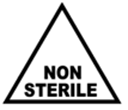
|
Non-Sterile |

|
Catalogue number |

|
Keep Dry |

|
Keep Away from direct Sunlight |

|
Do not use if package is damaged |
|
Caution |

|
Sterilized using irradiation |
Manufactured By:
GREENS SURGICALS (P) LTD
Plot: 508 to 512, GIDC, Savli Industrial Estate, Manjusar,
Dist: Vadodara, Gujarat State, India
E-mail: info@greensurgicals.com
Web.: greensurgicals.com
// Still you need help ? Reach out to us 365 Days a Year //
+91 635 150 6365